

FAAC Gate Opener: CBAC vs. CBC - What's the Difference?
If you're shopping for a FAAC gate opener, you've likely encountered terms like CBAC and CBC. These designations indicate whether the operator includes a hydraulic locking mechanism, a key feature for security and gate stability. But what exactly do they mean, and how are they different? This guide breaks it down.
A Quick Reference Table
Before diving into details, here's a side-by-side comparison of the key features.
| Feature | CBAC | CBC |
| Locking | Dual-position hydraulic locking The gate locks both when fully open AND when fully closed |
Single-position hydraulic locking The gate only locks when completely closed |
|---|---|---|
| Security | Locks Gate When Closed and Open | Locks Gate When Closed |
| Use Case | Standard Residential/Commercial | Standard Residential |
Understanding CBAC
CBAC stands for "Closing Lock" and represents FAAC's most secure hydraulic locking system, designed for applications where gate security and stability are paramount concerns. The CBAC system incorporates an advanced hydraulic locking mechanism that engages automatically when the gate reaches either end of its travel, both in the fully open and fully closed positions. This dual-position locking is achieved through precision-engineered hydraulic valves that physically prevent the gate operator arm from moving once the gate reaches its endpoint. The hydraulic lock creates a mechanical barrier that cannot be overridden by simply applying force to the gate, making it highly resistant to forced entry attempts, wind-induced movement, or accidental displacement.
What truly sets CBAC apart is its comprehensive security approach. Locking in both positions eliminates any vulnerable points in the gate's travel cycle. When closed, it prevents the gate from being forced open. When open, it prevents the gate from being slammed shut or tampered with, which could damage property or pose safety hazards. This is particularly valuable for commercial properties, high-security residential installations, or any location where the gate might be left open for extended periods during events or maintenance.
Understanding CBC
CBC, which also stands for "Closing Lock," provides essential gate security through a more streamlined hydraulic locking system focused specifically on the closed position, making it an excellent choice for typical residential applications. The CBC system features a hydraulic lock that engages exclusively when the gate reaches the fully closed position. This is accomplished through a hydraulic valve that activates when the gate operator arm reaches its maximum extension, creating a mechanical lock that prevents the gate from opening until the hydraulic pressure is disengaged. The lock is released automatically when the gate operator receives a signal to open, ensuring smooth and reliable operation with every cycle.
While CBC lacks the dual-position locking of CBAC, it provides robust security for the most critical gate position: the closed and secured state. This makes it perfectly suited for residential driveways, where the primary security concern is preventing unauthorized access when the gate is closed. The closed-position lock effectively resists forced entry attempts, wind pressure, and accidental nudging, providing peace of mind for homeowners.
CBAC vs. CBC: The Core Difference
The fundamental distinction between CBAC and CBC systems lies in the comprehensive scope of their hydraulic locking capabilities, a difference that significantly impacts both security and operational control. While both technologies employ hydraulic pressure to secure the gate, CBAC (Closing Lock) provides a dual-position locking mechanism that engages automatically when the gate reaches either the fully open or fully closed position. This means the gate is mechanically immobilized in both states, preventing unwanted movement caused by wind, vibration, accidental contact, or deliberate tampering. In contrast, CBC (Closing Lock) offers a single-position lock that activates only when the gate is completely closed, leaving it unsecured in the open position. This core difference translates into practical security implications: CBAC delivers maximum protection by ensuring the gate cannot be forced closed when open (a potential vulnerability) and cannot be forced open when closed, making it ideal for high-security residential estates, commercial properties, gated communities, and locations where the gate may remain open for extended periods during events or deliveries. CBC, however, provides standard residential security that adequately protects against unauthorized entry when the gate is in its closed state, the primary concern for most homeowners, while offering a more cost-effective solution.
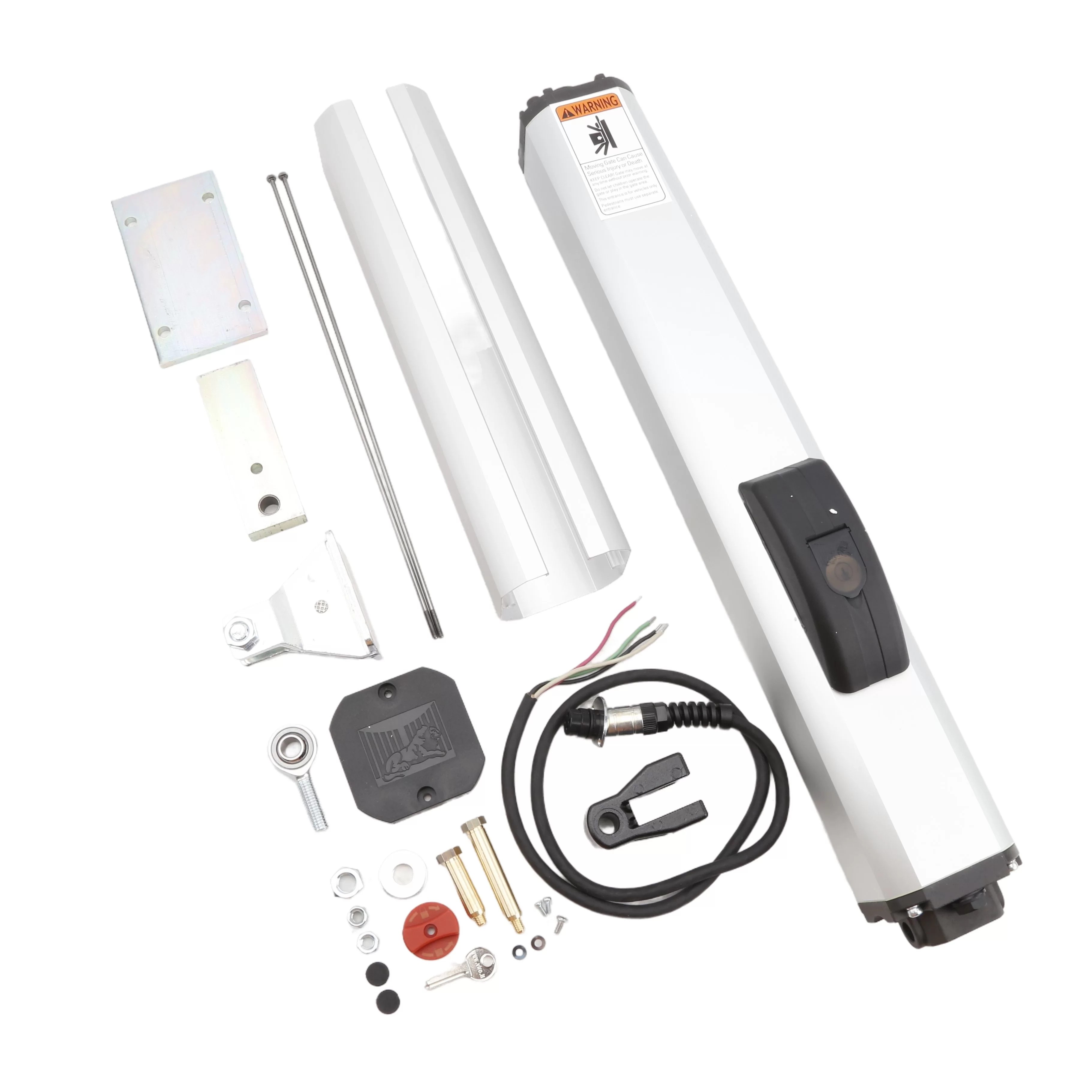
Browse Our Collection of CBAC & CBC Openers
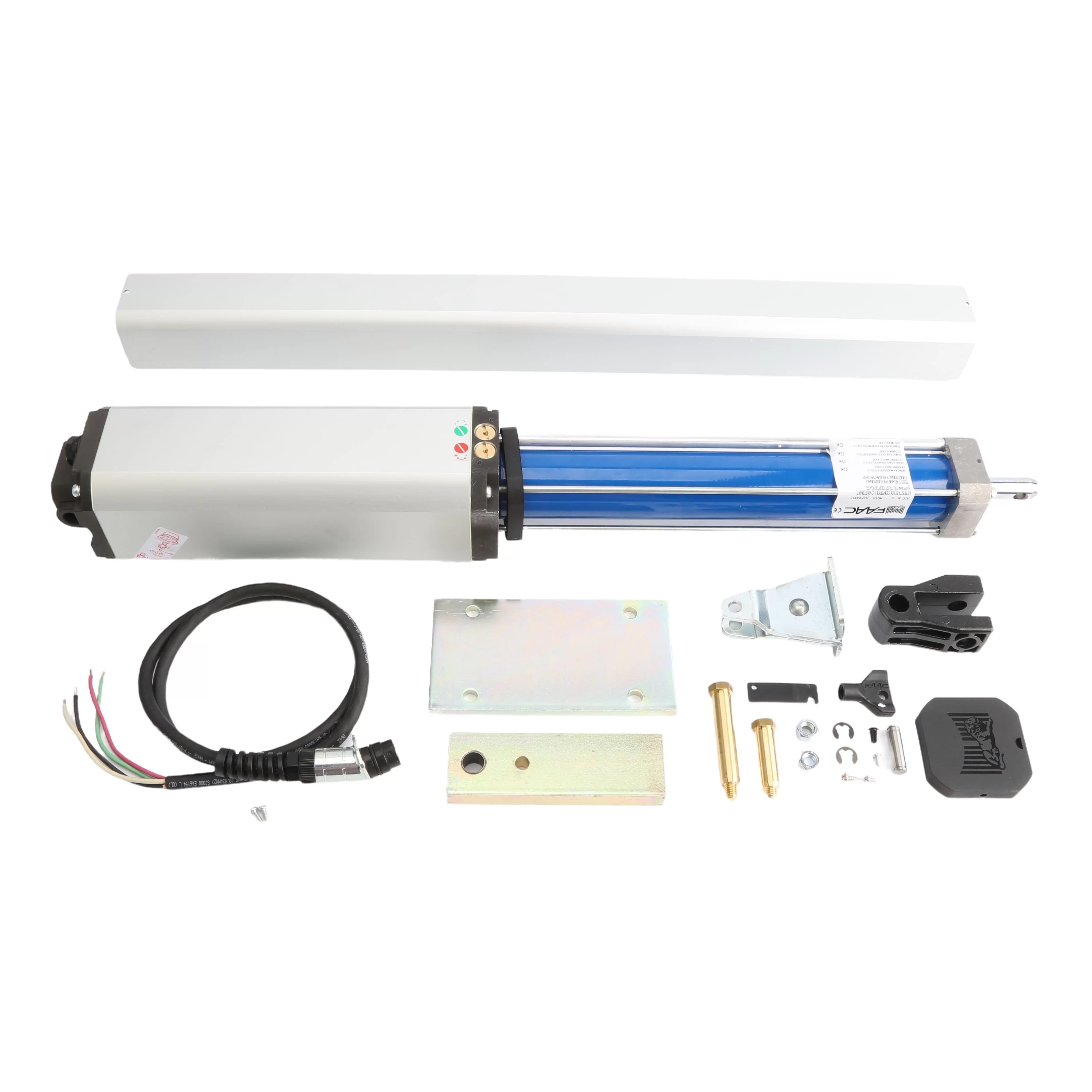
Other Important Variants
Beyond CBAC and CBC, FAAC offers a few other operator types that are important to understand. CBACR is a high-speed version of CBAC that locks in both positions and offers faster cycle times, great for busy gates. On the other hand, SB and SBS models lack an internal hydraulic lock, so you'll need to install an external electric lock if security is required. SBS models are specifically designed for very large gates that operate more slowly.
Need help choosing? Please reach out to our representatives. They are happy to help in any way they can!
Contact Us